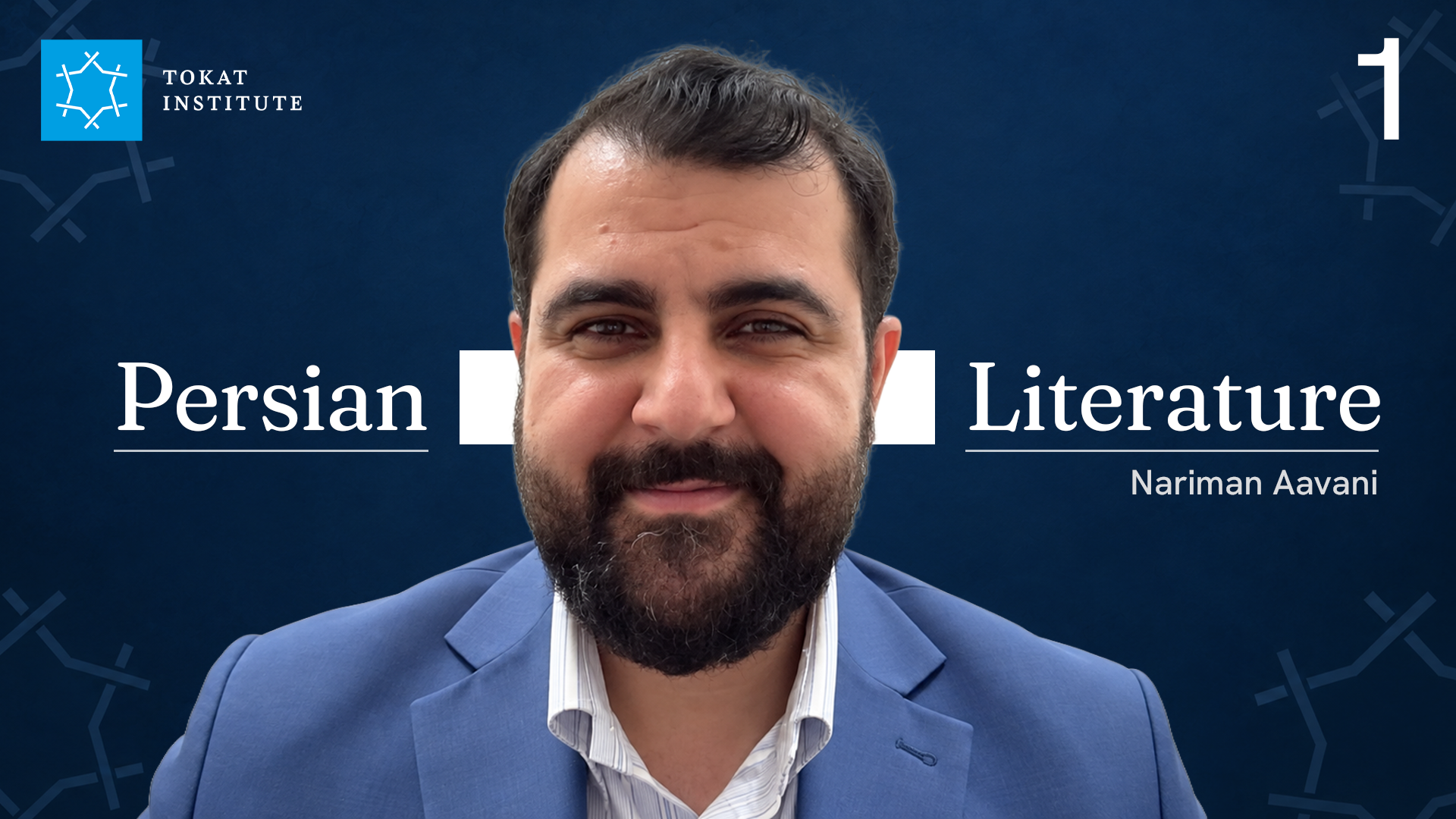
SCHOLAR

Nariman Aavani

Nariman Aavani is Associate in Intellectual History of Islam in South Asia at Harvard University. He was also a Postdoctoral Fellow in the Divinity School at the University of Chicago. His research focuses on Islamic philosophy and Sufism in Iran and the Indian subcontinent from the thirteenth to the early nineteenth century, with particular attention to the historical and philosophical dimensions of Hindu–Muslim relations in the Mughal period and beyond. His first book project, Hindu Engagement with Rumi’s Mathnawi in Mughal India, examines the literary contributions of the Hindu poets Banwālīdās and Bhūpat Rāy Bīgham, who composed Persian poetry in the mathnawī style inspired by the celebrated Sufi poet Jalāl al-Dīn Rūmī. His second book project explores cross-cultural philosophy of religion through a comparative study of the seventeenth-century thinkers Mullā Ṣadrā and Gadādhara Bhaṭṭācārya. Focusing on their respective accounts of the ultimate end of human life, the project investigates the sources of normativity that underpin Hindu and Islamic philosophical conceptions of human flourishing and fulfillment.

Quran
Tokat Institute/Scholars/Nariman Aavani
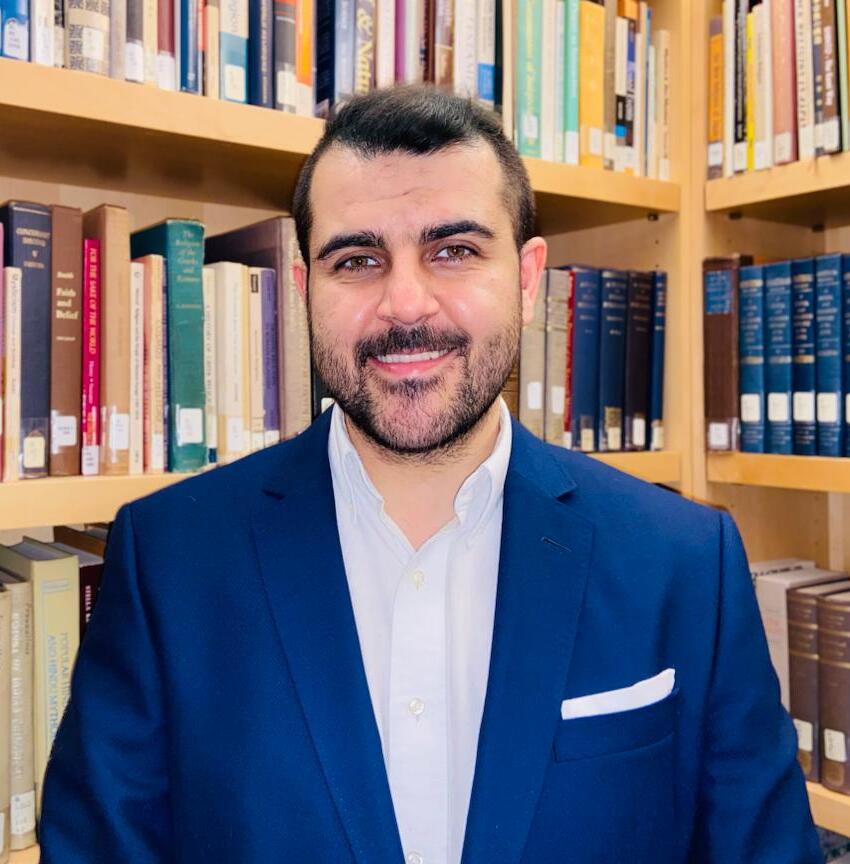
Dr. Nariman Aavani
Nariman Aavani
Scholar · Tokat Institute
Professor · Harvard University

Nariman Aavani is Associate in Intellectual History of Islam in South Asia at Harvard University.

Nariman Aavani is Associate in Intellectual History of Islam in South Asia at Harvard University. He was also a Postdoctoral Fellow in the Divinity School at the University of Chicago. His research focuses on Islamic philosophy and Sufism in Iran and the Indian subcontinent from the thirteenth to the early nineteenth century, with particular attention to the historical and philosophical dimensions of Hindu–Muslim relations in the Mughal period and beyond. His first book project, Hindu Engagement with Rumi’s Mathnawi in Mughal India, examines the literary contributions of the Hindu poets Banwālīdās and Bhūpat Rāy Bīgham, who composed Persian poetry in the mathnawī style inspired by the celebrated Sufi poet Jalāl al-Dīn Rūmī. His second book project explores cross-cultural philosophy of religion through a comparative study of the seventeenth-century thinkers Mullā Ṣadrā and Gadādhara Bhaṭṭācārya. Focusing on their respective accounts of the ultimate end of human life, the project investigates the sources of normativity that underpin Hindu and Islamic philosophical conceptions of human flourishing and fulfillment.

Selected works
No items found.

Courses by Nariman Aavani

All courses →
Current & upcoming
Past courses
No items found.

Lectures by Nariman Aavani

All lectures →
No items found.

From the Studio archive

Explore Tokat Studio →
No items found.

Other Tokat scholars

All scholars →