An Islamic Ethics of War and Peace
An Islamic Ethics of War and Peace
A working command of the vocabulary of Islamic metaphysics — wujūd, māhiyya, the gradation of being — used precisely, not loosely.
The capacity to read primary texts of Ibn Sīnā and Mullā Ṣadrā with comprehension rather than reverence alone.
An understanding of why the tradition treats metaphysics as the science of realities — and what that claim asks of the knower.
Direct exchange with Professor Nasr in open Q&A after every session — the part no book can replace.
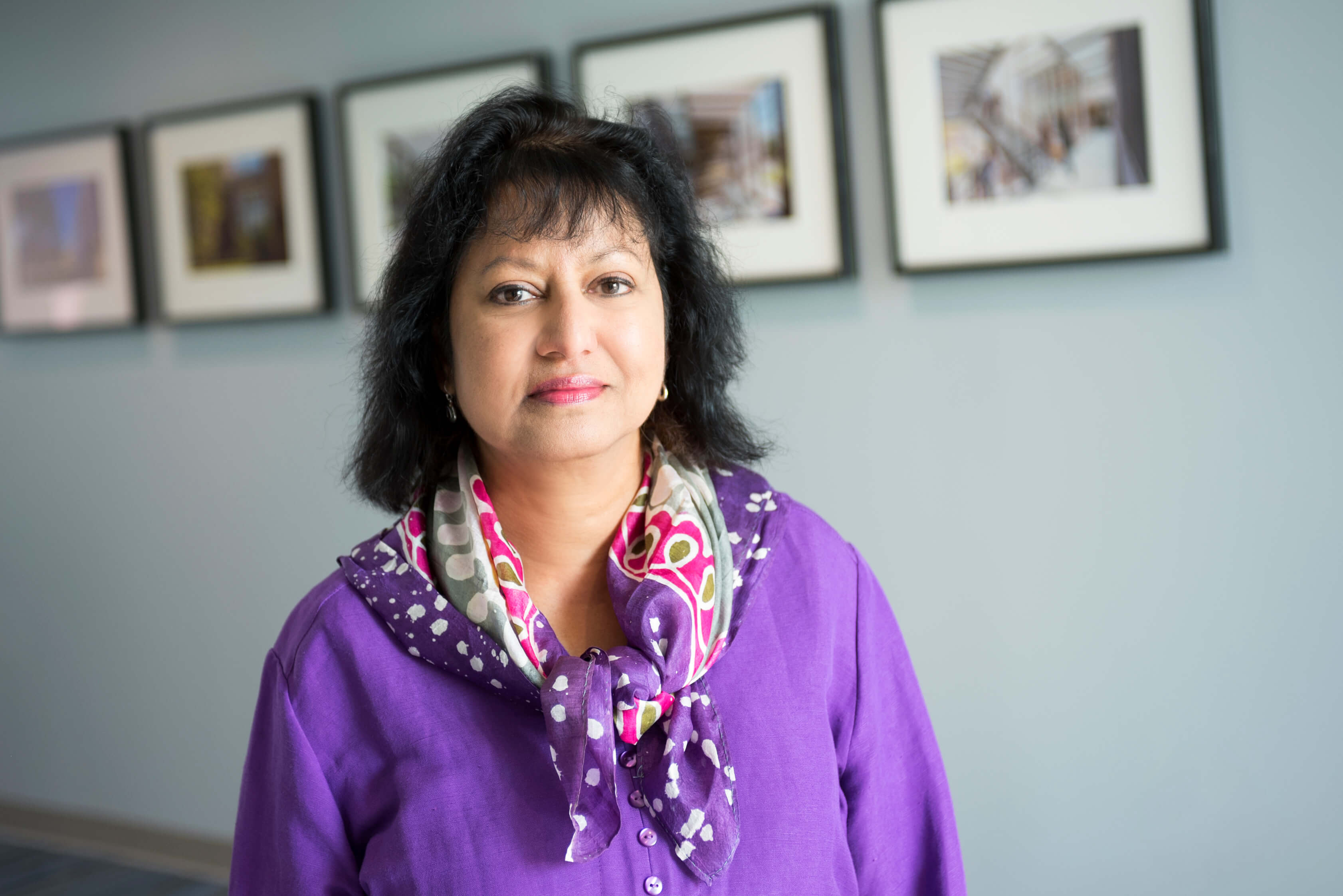
Asma Afsaruddin is one of the leading contemporary scholars of Islamic history, gender, and ethics whose work examines the historical development of key Islamic concepts in both pre-modern and modern contexts. Combining rigorous historical scholarship with engagement in contemporary debates, her writings explore jihad, martyrdom, women and gender, political authority, and Islamic reform movements.